
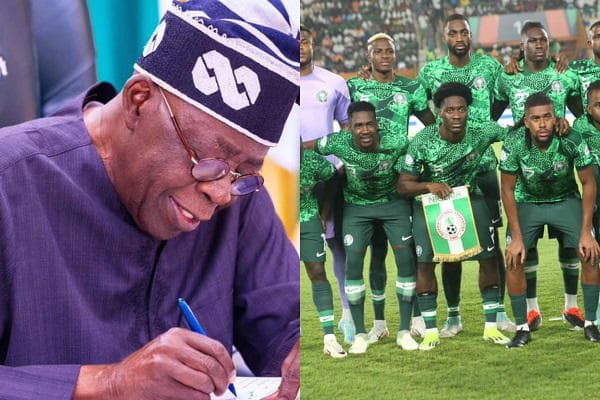
Introduction to the Crisis in Nigerian Football
The 2026 FIFA World Cup has commenced, bringing with it a mix of excitement and disappointment for football fans around the world. For Nigerians, the tournament is a bitter reminder of the country's failure to qualify, a situation that has sparked widespread criticism of the Nigeria Football Federation (NFF) and calls for reform.
The Unifying Power of Football
Football is often described as a unifying force, capable of transcending ethnic, religious, and socio-economic divides. In Nigeria, the sport has played a significant role in promoting national unity, with the Super Eagles serving as a symbol of Nigerian pride and identity. The team's participation in international tournaments, particularly the World Cup, has the potential to bring Nigerians together, fostering a sense of shared purpose and belonging.
Economic and Social Implications
The absence of the Super Eagles from the World Cup has significant economic and social implications. The tournament is a major platform for international exposure, attracting millions of viewers worldwide. By not participating, Nigeria misses out on valuable opportunities for tourism, investment, and cultural exchange. Furthermore, the failure to qualify has resulted in financial losses for businesses that rely on the tournament for revenue, such as sports bars, restaurants, and merchandise vendors.
Calls for Reform
The NFF has come under intense scrutiny, with many calling for the resignation of its leadership. Former Nigerian captain, Mikel Obi, has been vocal in his criticism, stating that the entire board needs to go. The failure to qualify for the World Cup is seen as a symptom of deeper systemic issues within the NFF, including poor management, corruption, and a lack of accountability.
Way Forward
As Nigeria looks to the future, it is essential that the country's football management undergoes significant reform. This includes the implementation of transparent and accountable governance structures, investment in grassroots development programs, and the appointment of competent and experienced leadership. The government must also play a more active role in supporting the development of football, recognizing its potential as a tool for social cohesion and economic growth.
Conclusion
The failure of the Super Eagles to qualify for the 2026 FIFA World Cup is a wake-up call for Nigerian football. It highlights the need for urgent reform and a renewed commitment to developing the sport. As President Tinubu begins his tenure, he must prioritize the revitalization of Nigerian football, recognizing its potential as a unifying force and a driver of economic growth. The future of Nigerian football depends on it.