
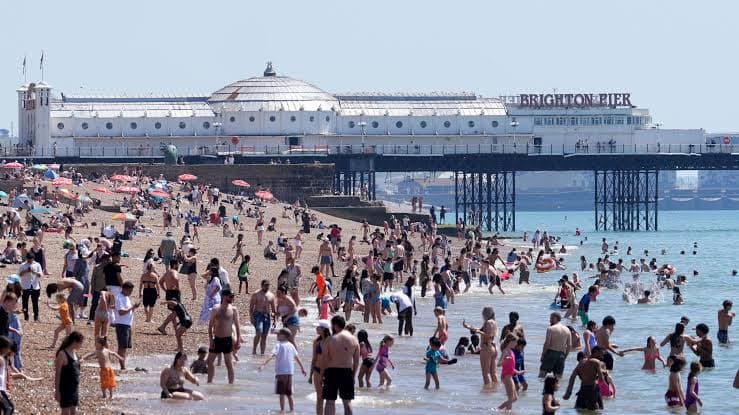
Europe Swelters Under Deadly, Record-Breaking Early Heatwave
Europe is sweltering under the grip of an exceptionally early and intense heatwave, shattering historical temperature records and leading to tragic fatalities across the continent. The unseasonal extreme weather has prompted widespread government warnings, urging citizens to take precautions as communities grapple with unprecedented heat. In the United Kingdom, the capital city of London has experienced scorching conditions, with temperatures hitting a blistering 95 degrees Fahrenheit (35°C) for two consecutive days, placing immense strain on urban infrastructure and public health services.
Record-Breaking Conditions and Public Health Alert
This early-summer heatwave is characterized by its unusual intensity and duration, arriving weeks ahead of typical seasonal peaks. Reports from various European nations indicate widespread broken records, signaling a worrying trend in climatic patterns. Health authorities are on high alert, issuing severe weather warnings and advising residents, especially the elderly, young children, and those with pre-existing conditions, to stay hydrated, seek shade, and avoid strenuous activities during peak daylight hours. Hospitals are bracing for an increase in heat-related illnesses, from dehydration to heatstroke, as the population struggles to adapt to the sudden onset of extreme temperatures.
The Broader Climate Context
The scientific community is quick to link this anomalous event to the escalating crisis of global climate change. Experts worldwide have emphasized that such unpredictable and extreme weather phenomena are becoming increasingly frequent and severe, a direct consequence of a warming planet. "What we are witnessing is not just a hot summer day, but a clear manifestation of climate change impacting our daily lives much earlier in the season," stated a leading meteorologist, underscoring the shift towards more volatile weather patterns. This early heatwave serves as a stark reminder of the urgent need for climate adaptation strategies and significant reductions in greenhouse gas emissions.
Government Response and Future Outlook
Governments across Europe are activating emergency protocols, opening public cooling centers, and implementing water conservation measures where necessary. Public transport systems are also facing disruptions due to rail buckling and other heat-related issues. As the heatwave is projected to persist for several more days in many regions, authorities are reinforcing public safety messages and preparing for sustained relief efforts. This event not only highlights immediate challenges but also underscores the long-term imperative for robust climate resilience planning to safeguard communities against future extreme weather events.