
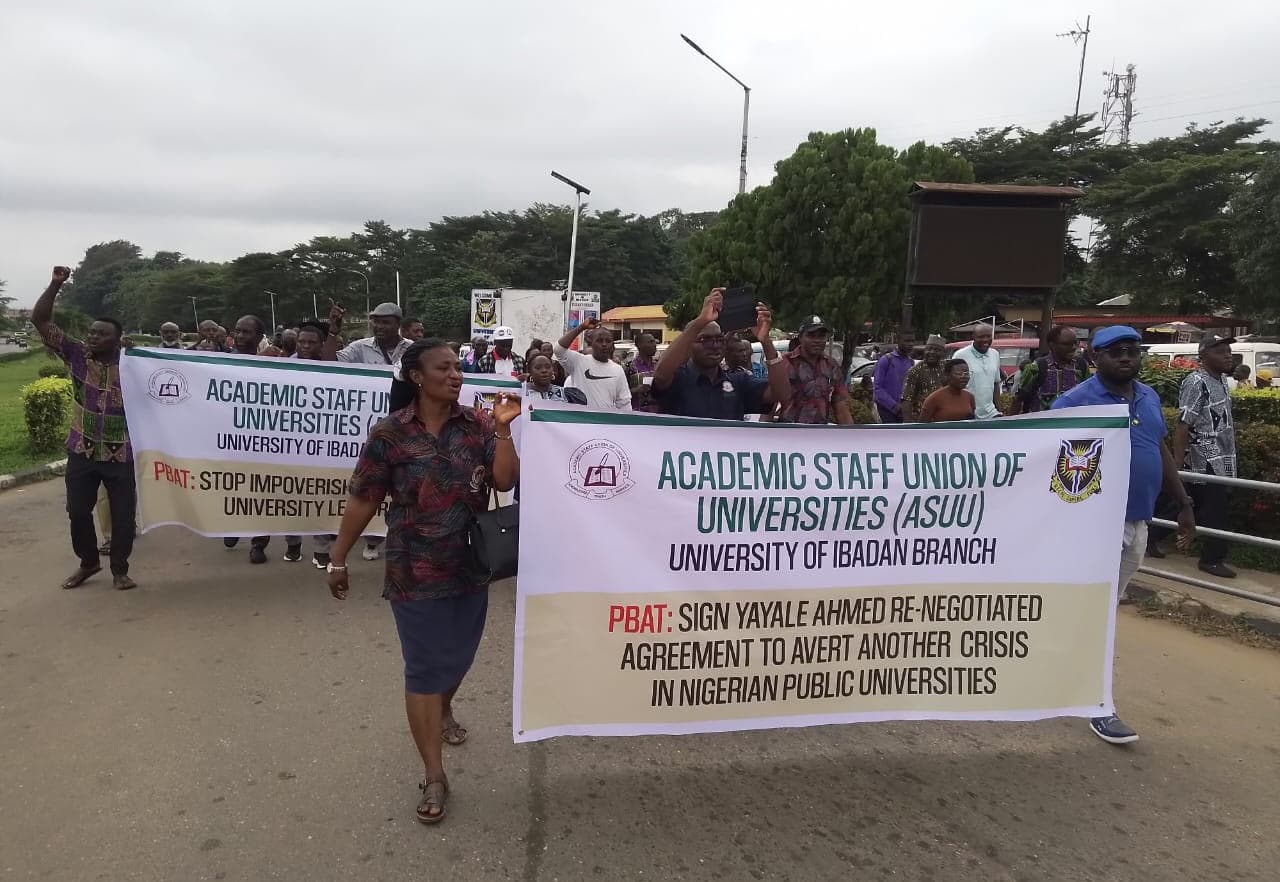
University Unions Back at Negotiating Table with Federal Government
Abuja, Nigeria – In a significant development aimed at averting a fresh crisis in Nigeria's public universities, the Senior Staff Association of Nigerian Universities (SSANU) and the Non-Academic Staff Union of Educational and Associated Institutions (NASU) have returned to the negotiating table with the Federal Government. The resumption of talks follows the unions' recent suspension of their strike action, a move that brought temporary relief but left core demands unresolved.
Sources close to the negotiations indicate that the primary focus remains the unions' insistence on a minimum 40% salary increase for their members. This demand, among others related to welfare and improved working conditions, formed the bedrock of their earlier industrial action which significantly disrupted administrative and support services across federal and state universities nationwide.
The Looming Deadline and Demands
The unions had conditionally suspended their strike, signaling their willingness to engage in dialogue but with a clear expectation of concrete progress. While details of the specific timeline for the current round of talks remain under wraps, it is understood that SSANU and NASU are pressing for a resolution on their salary demands within a short, specified period, implicitly understood to be within two weeks from the point of strike suspension, as was a condition for returning to work.
Their rationale for the substantial salary increment stems from several factors, including the soaring cost of living, the depreciating value of the Naira, and what they describe as years of neglect and inadequate remuneration. Members of SSANU and NASU, comprising essential non-academic staff, argue that their current salaries no longer reflect the economic realities nor their vital contributions to the university system.
Government's Position and Path Forward
The Federal Government, represented by key ministries and agencies, faces the delicate task of balancing the unions' legitimate demands with the nation's prevailing economic constraints. The administration has repeatedly emphasized its commitment to improving the welfare of workers, but also highlights the need for sustainable and realistic agreements that do not further strain the national budget.
Observers believe the ongoing negotiations will test the government's resolve and its ability to foster industrial harmony within the education sector. A protracted dispute could lead to another round of strikes, further destabilizing a university system already grappling with calendar disruptions and resource shortages.
Both parties are expected to engage in intensive discussions, delving into the intricacies of salary structures, allowances, and the overall framework for improving staff welfare. The hope is that through constructive dialogue and a spirit of compromise, a mutually acceptable agreement can be reached, ensuring peace and stability in Nigerian higher education institutions.