
As a water taxi rounded a corner at sunset, the village of Torosiaje came into view, a mesmerizing spectacle of colorful stilted houses perched precariously over the azure expanse of the Molucca Sea. This unique community in Sulawesi, Indonesia, is home to the Bajau people, often referred to as 'sea nomads,' whose lives have been intrinsically linked to the ocean for generations. Here, tradition meets modern ecological understanding, as the village embraces its surrounding mangrove forests not just as scenery, but as crucial partners in sustaining their ancestral fishing practices.
For centuries, the indigenous fishers of Torosiaje have navigated these rich waters, relying on their deep ecological knowledge to harvest the sea's bounty. However, like many coastal communities globally, they have faced increasing pressures from overfishing, habitat degradation, and the impacts of climate change. The very ecosystem that has provided their livelihoods and cultural identity was under threat, jeopardizing a way of life passed down through oral traditions and practical experience. For Torosiaje, the sea is not merely a resource; it is their home, their market, and their heritage.
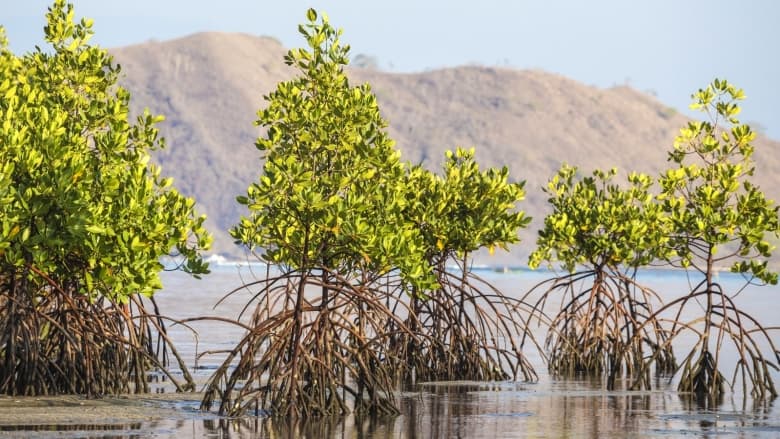
The solution, it turns out, was always intertwined with their environment: the dense, sprawling mangrove forests that fringe their coastline. These remarkable ecosystems are natural fortresses against erosion and storm surges, critical in protecting low-lying villages like Torosiaje. More profoundly for the fishers, mangroves serve as invaluable nurseries for a vast array of marine life. Their intricate root systems provide safe havens for juvenile fish, crabs, and shrimp, shielding them from predators and offering abundant food sources before they venture into the open sea. A healthy mangrove ecosystem directly translates to a healthier and more productive fishing ground.
Recognizing this vital connection, the community in Torosiaje has actively engaged in protecting and restoring their mangrove habitats. Through a blend of traditional ecological knowledge and contemporary conservation initiatives, local residents are monitoring mangrove health, planting new saplings, and enforcing sustainable fishing practices within these crucial zones. This isn't just about environmentalism; it's about safeguarding their food security, economic stability, and cultural continuity. The elders share ancient wisdom about the tides and the forests, guiding younger generations in the art of living harmoniously with their marine environment.
The story of Torosiaje is a compelling example of how indigenous communities, deeply connected to their land and sea, can champion sustainable practices. By embracing and protecting their mangroves, the fishers of this 'sea village' are not only enhancing their daily catches but also building resilience against the future challenges of a changing climate. As the sun dips below the horizon, casting vibrant hues across the stilted homes and the verdant mangrove canopy, it illuminates a community where tradition and nature collaborate, ensuring that the greetings from Torosiaje will continue to be a testament to a sustainable life by the sea for generations to come.