
Search news...
Health

Nigerian CSOs Demand Stricter Food Regulations to Combat Surging Hypertension

Nigerian CSOs Demand Stricter Food Regulations to Combat Surging Hypertension
Civil Society Organisations (CSOs) are urging the Nigerian government to implement stringent food regulations and robust sodium policies, citing an alarming rise in hypertension cases linked to the consumption of processed foods.

CSOs Push FG for Tighter Food Regulations Amid Hypertension Surge

Abuja, Nigeria – A coalition of Civil Society Organisations (CSOs) has intensified calls for the Nigerian government to enact stricter food regulations and comprehensive sodium policies. Their urgent appeal comes in response to a disturbing increase in hypertension cases across the nation, primarily attributed to the widespread consumption of processed foods high in sodium.

Hypertension, often dubbed a 'silent killer,' is a leading cause of heart attacks, strokes, kidney failure, and other severe health complications. Experts warn that Nigeria faces a looming public health crisis if proactive measures are not swiftly implemented to address the dietary factors contributing to this epidemic.

The Alarming Rise of Hypertension

Recent health data indicates a significant uptick in hypertension diagnoses among Nigerians, cutting across various demographics. While lifestyle factors such as sedentary living and stress play a role, CSOs pinpoint the easy accessibility and growing consumption of ultra-processed foods as a primary driver. These foods, including packaged snacks, instant noodles, and ready-to-eat meals, are often laden with excessive sodium, trans fats, and sugars, all of which contribute to elevated blood pressure.

“Our population’s dietary habits are shifting dramatically, with a growing reliance on processed foods that offer convenience but come at a severe health cost,” stated a representative from one of the leading CSOs. “The high sodium content in these products is a direct contributor to hypertension, placing an immense burden on our healthcare system and shortening lives.”

Calls for Urgent Policy Interventions

The CSOs are advocating for a multi-pronged approach from the federal government, urging a review and tightening of existing food safety and quality standards. Key demands include:

  • Mandatory Front-of-Pack Labelling: Implementing clear, easy-to-understand nutrition labels that highlight high levels of sodium, sugar, and saturated fats, empowering consumers to make informed choices.
  • Setting Sodium Limits: Establishing maximum allowable sodium levels in various processed food categories, compelling manufacturers to reformulate their products.
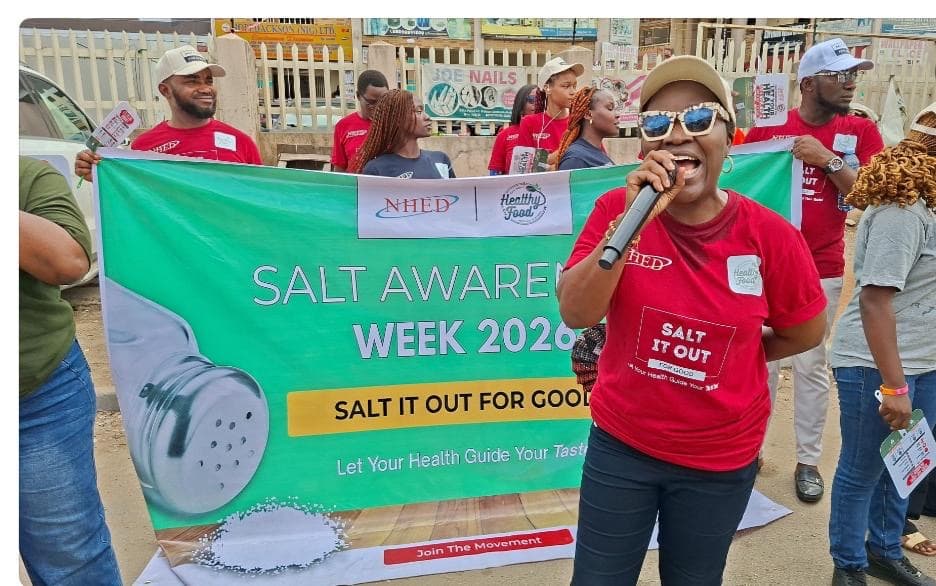
  • Public Awareness Campaigns: Launching nationwide campaigns to educate citizens on the dangers of excessive sodium intake and promote healthier eating habits.
  • Taxation on Unhealthy Foods: Considering fiscal policies, such as taxes on foods with excessively high sodium, sugar, or fat content, to discourage consumption and generate revenue for public health initiatives.

Government's Role in Public Health

While agencies like the National Agency for Food and Drug Administration and Control (NAFDAC) have mandates to regulate food products, CSOs argue that current policies are insufficient to tackle the scale of the problem. They emphasize that a robust regulatory framework, coupled with strict enforcement, is crucial to protect public health and mitigate the long-term socio-economic impact of non-communicable diseases like hypertension.

“The government has a fundamental responsibility to ensure the food consumed by its citizens is safe and does not contribute to preventable diseases,” the CSOs asserted. “Tightening food regulations and implementing strong sodium policies are not merely health interventions; they are investments in the nation’s future, safeguarding productivity and reducing healthcare expenditures.”

The organisations remain optimistic that the federal government will heed their call, initiating a dialogue with stakeholders to forge effective strategies that safeguard the health and well-being of all Nigerians.