
Search news...
Science

Nigerian Librarians Sound Alarm Over Proliferation of Predatory Open Access Journals

Nigerian Librarians Sound Alarm Over Proliferation of Predatory Open Access Journals
University librarians across Nigeria are voicing grave concerns regarding the unchecked growth of predatory open access journals, warning that these unethical publications are severely compromising academic integrity and fostering dubious research practices within the nation's higher education system.

Nigerian Librarians Sound Alarm Over Proliferation of Predatory Open Access Journals

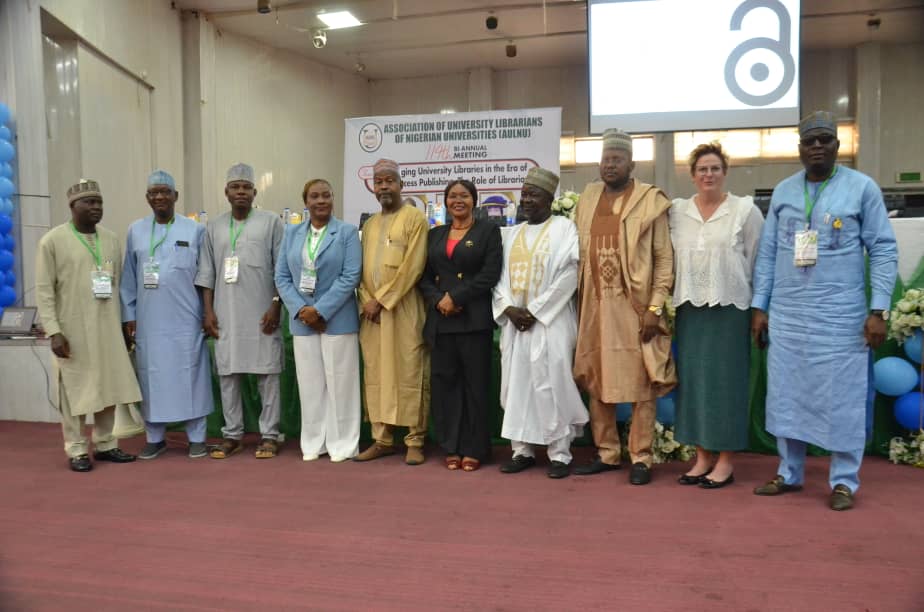
Abuja, Nigeria – University librarians in Nigeria are raising a collective alarm over the escalating threat posed by the proliferation of predatory open access (OA) journals. These concerns highlight a deepening crisis in academic publishing, where unethical practices linked to certain OA models are undermining the credibility of Nigerian research and the integrity of its scholarly landscape.

The alarm was triggered by observed trends where researchers, often under immense pressure to publish, inadvertently or knowingly submit their work to journals that mimic legitimate academic publications but bypass rigorous peer review processes for profit. While the concept of open access was designed to democratize knowledge by making research freely available, a darker side has emerged in the form of 'predatory publishing'.

Predatory journals operate by charging authors publication fees without offering the essential editorial services, robust peer review, and quality control expected in scholarly communication. They often employ aggressive solicitation tactics, make false claims about impact factors, and list non-existent editorial boards, deceiving researchers eager to disseminate their work and advance their careers.

Erosion of Academic Integrity

Librarians, positioned at the forefront of information management and scholarly resources, are uniquely placed to witness the detrimental effects. They report an increasing number of faculty members and students falling victim to these schemes, which not only squander research funds through unwarranted publication fees but also tarnish the academic reputation of individuals and institutions.

"The core issue is the erosion of trust in the research output from our universities," explained a senior librarian from a federal university in Lagos, who requested anonymity due to institutional protocols. "When researchers publish in these predatory outlets, their work, no matter how valuable, loses credibility. It’s a serious setback for academic progression and the global perception of Nigerian scholarship."

The 'publish or perish' culture prevalent in academia, particularly in developing nations like Nigeria, inadvertently fuels this problem. Researchers, especially younger ones seeking promotion or tenure, may feel pressured to publish quickly, making them vulnerable targets for predatory publishers promising rapid acceptance and publication.

Librarians' Crucial Role and Calls to Action

University librarians are now advocating for a multi-pronged approach to combat this growing menace. Their recommendations include:

  • Enhanced Awareness Campaigns: Educating faculty, postgraduate students, and researchers on how to identify and avoid predatory journals through workshops and readily available resources.
  • Development of Institutional Policies: Encouraging universities to establish clear guidelines and policies regarding legitimate publishing venues and to disincentivize publication in identified predatory journals.
  • Support for Legitimate OA: Promoting and supporting reputable open access journals, institutional repositories, and national scholarly publishing initiatives that adhere to high ethical and quality standards.
  • Information Literacy: Strengthening information literacy programs to equip researchers with critical evaluation skills for scholarly sources.
  • Collaboration: Fostering partnerships with national and international academic bodies to share blacklists of predatory publishers and whitelists of credible journals.

The alarm raised by Nigerian university librarians underscores a critical challenge that threatens not only the quality of research but also the foundational principles of academic integrity. Addressing this issue is paramount for safeguarding the future of scholarly communication and ensuring that Nigerian contributions to global knowledge are recognized for their genuine merit and rigor.