
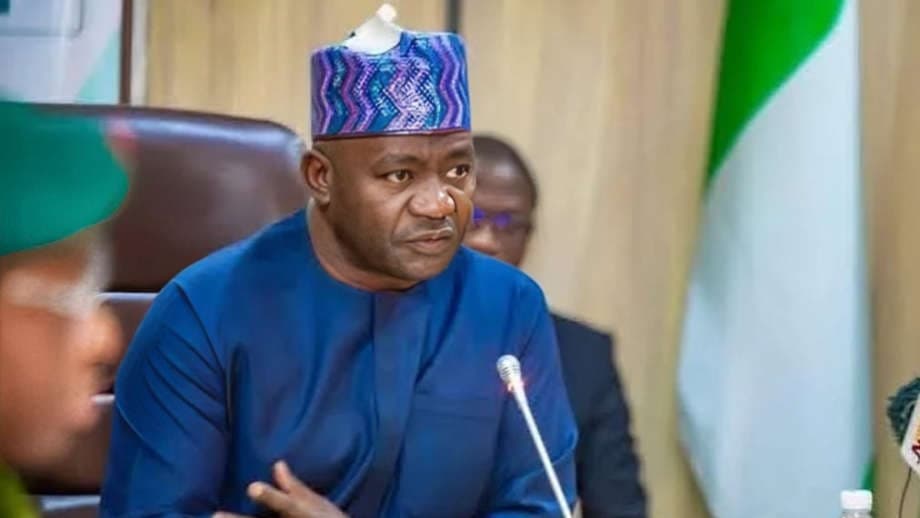
Defence Minister Justifies N5.41 Trillion Budget Amidst Security Concerns
Abuja, Nigeria – Nigeria's Defence Minister has staunchly defended the proposed ₦5.41 trillion budget for the nation's military, asserting that the complexities and expenditures associated with contemporary conflict and advanced weaponry procurement demand such a substantial allocation.
The minister’s statement comes as the country grapples with persistent security challenges, including insurgency, banditry, and other forms of organized crime that necessitate a robust and well-equipped defence force. The proposed budget represents a significant investment in national security, aiming to bolster the armed forces' capabilities and modernize their arsenal.
The High Cost of Modern Warfare
During his defense, the minister highlighted several factors contributing to the escalating costs of military operations:
- Sophisticated Equipment: The acquisition of advanced fighter jets, surveillance drones, armored vehicles, naval vessels, and high-tech communication systems comes with hefty price tags. These platforms require continuous upgrades and specialized maintenance.
- Technology and Innovation: Modern warfare increasingly relies on cutting-edge technology, including cyber defence, intelligence gathering systems, and precision-guided munitions, all of which are expensive to develop, procure, and integrate.
- Training and Logistics: Maintaining a professional and effective military requires continuous, specialized training for personnel to operate complex machinery and adapt to evolving threats. Furthermore, logistics, including fuel, spare parts, and troop welfare, contribute significantly to operational costs.
- Global Inflation: The global economic climate and inflationary pressures also impact the cost of imported military hardware and services.
Addressing National Security Imperatives
Nigeria has been at the forefront of combating various threats to its sovereignty and internal peace. The budget, according to the minister, is crucial for:
- Counter-Insurgency Operations: Sustaining efforts against terrorist groups in the North-East and other regions.
- Combating Banditry and Kidnapping: Enhancing the military's capacity to tackle widespread banditry and kidnapping syndicates.
- Border Security: Strengthening surveillance and protection of Nigeria's extensive land and maritime borders.
- Personnel Welfare: Ensuring adequate welfare, remuneration, and equipment for service members, which is vital for morale and operational effectiveness.
The minister's justification underscores the government's commitment to equipping its military to effectively address both current and emerging security threats, emphasizing that investing in defence is critical for national stability and prosperity.