
Search news...
Health

Pennsylvania Health Authorities Address Local Measles Cases, Dispel Widespread Outbreak Claims

Pennsylvania Health Authorities Address Local Measles Cases, Dispel Widespread Outbreak Claims
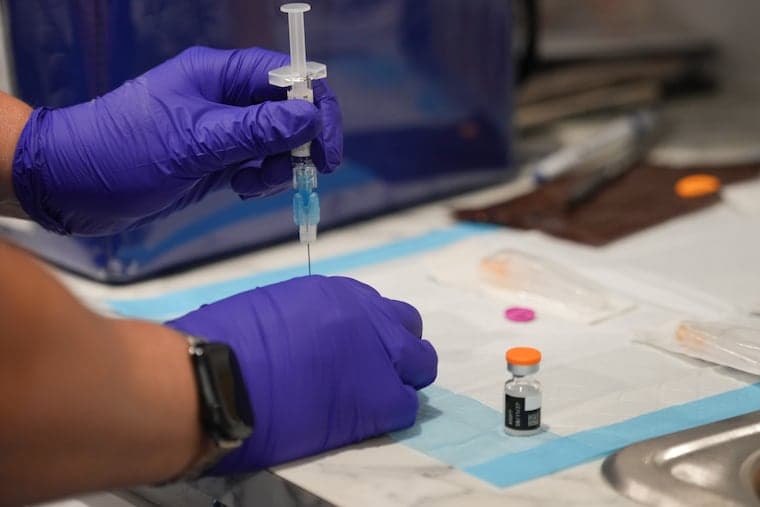
Pennsylvania health officials are actively managing a cluster of measles cases, but emphasize the situation is not a widespread crisis or the nation's largest outbreak. Authorities are focused on containment through contact tracing and vaccination, urging the public to rely on verified information and ensure their immunizations are current.

Public Health Officials Clarify Measles Situation in Pennsylvania Amid Heightened Concern

Harrisburg, PA — Public health officials in Pennsylvania are actively monitoring a cluster of confirmed measles cases, urging vigilance while simultaneously working to clarify the scope of the situation. Contrary to some heightened public discourse, state health authorities emphasize that the confirmed cases do not constitute a widespread crisis or the nation’s largest outbreak, underscoring ongoing efforts to contain transmission and reinforce vaccination.

Recent weeks have seen a limited number of measles cases identified across several counties, primarily concentrated in the southeastern region of the state. These individual cases have triggered immediate public health responses, including detailed contact tracing and isolation protocols. State and local health departments are collaborating to identify potential exposures, educate communities, and offer targeted vaccination clinics where necessary. However, the total count of confirmed cases remains significantly lower than what would typically characterize a statewide epidemic or the largest national event.

Containing Localized Clusters

As of the latest reports, Pennsylvania has documented fewer than ten confirmed measles cases in the current period. These cases have been epidemiologically linked, suggesting localized transmission chains rather than widespread community infection. Public health teams have swiftly deployed resources to investigate each case, determine the source of infection, and prevent further spread by identifying and notifying all potential contacts.

Dr. Eleanor Vance, Director of Communicable Disease Control at the Pennsylvania Department of Health, highlighted the meticulous approach being taken. “While any confirmed measles case is a concern and triggers an immediate public health response, the situation in Pennsylvania involves a limited number of geographically contained instances,” Vance stated in an interview. “We are actively managing these cases with established protocols, including robust contact tracing and offering vaccinations to exposed individuals, to prevent broader community transmission. The focus remains on rapid identification and containment, which is proving effective.”

The Department of Health has issued guidance to healthcare providers on recognizing measles symptoms and proper reporting procedures, reinforcing the surveillance system designed to detect and respond to infectious diseases promptly. Public awareness campaigns are also underway, reminding residents about the importance of vaccination and common symptoms such as fever, cough, runny nose, red eyes, and a characteristic rash.

The Role of Vaccination and Public Information

Measles, a highly contagious viral disease, can be serious, especially for young children. Its rapid spread relies on close contact and airborne transmission, making high vaccination rates critical for community protection, known as herd immunity. Pennsylvania's overall childhood vaccination rates for measles, mumps, and rubella (MMR) have historically been robust, though localized pockets of lower vaccination coverage can create vulnerabilities for outbreaks.

Public health experts stress that the current situation underscores the need for continued vigilance regarding vaccine uptake. Maintaining high immunization levels is the most effective defense against measles re-emergence. Concerns have also been raised regarding the potential for misinformation to amplify public anxiety beyond what the actual epidemiological data suggests.

Professor David Chen, an epidemiologist at the University of Pennsylvania's School of Public Health, emphasized the importance of accurate reporting. “In the current information landscape, it is crucial for the public to rely on verified data from official health agencies,” Chen explained. “Overstating the scale of an outbreak can lead to unnecessary panic while potentially diverting attention from the precise public health actions required for containment. Clear, accurate communication is paramount for maintaining public trust and ensuring effective health responses and adherence to public health recommendations.”

Outlook and Recommendations

Pennsylvania health officials continue to monitor the situation closely, working with local partners to ensure a coordinated response. The strategy involves not only managing current cases but also reinforcing preventive measures. Residents are encouraged to verify their vaccination status and ensure children are up-to-date on their MMR shots, particularly before travel or school enrollment.

The Department of Health advises anyone experiencing symptoms consistent with measles to contact their healthcare provider immediately before visiting an office or emergency room, allowing staff to take precautions to prevent potential spread to others. While the current situation requires careful management, officials reiterate that it is not escalating into a widespread crisis, largely due to proactive public health interventions and a generally well-vaccinated population. The emphasis remains on controlling localized clusters and preventing larger community outbreaks through established public health practices.

Reader FAQs & Key Context

How many measles cases have been confirmed in Pennsylvania?

As of recent reports, fewer than ten measles cases have been confirmed in Pennsylvania. These are primarily localized clusters, not a widespread statewide outbreak.

What should residents do to protect themselves and their families from measles?

The most effective protection is vaccination. Residents should ensure they and their children are up-to-date on their MMR (Measles, Mumps, Rubella) vaccinations. Anyone experiencing measles symptoms should contact their healthcare provider immediately before visiting a clinic to prevent potential spread.