
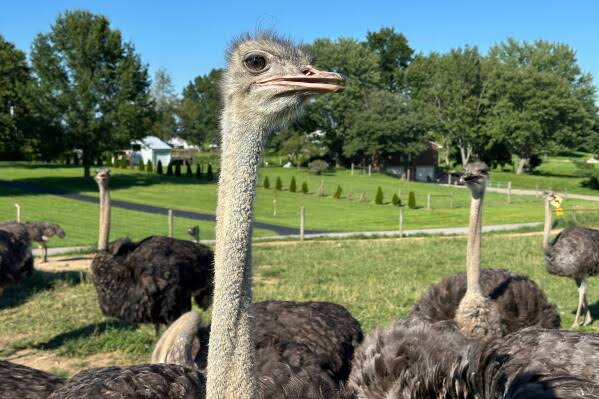
LOUISVILLE, Kentucky – A burgeoning number of Americans suffering from a mysterious, tick-borne allergy to red meat are increasingly turning to an unconventional alternative: ostrich. This growing demand is revitalizing a niche farming industry, exemplified by individuals like Kentucky farmer Brent Williams, who, after being diagnosed with the condition, took to raising the flightless birds to satisfy his craving for a burger.
Williams, diagnosed approximately seven years ago with Alpha-gal Syndrome (AGS), found himself unable to consume mammalian meats like beef, pork, or lamb without experiencing severe allergic reactions. Like many others across the United States, his allergy was triggered by the bite of the Lone Star tick. Ostrich meat, which is poultry despite its red appearance when raw and a taste often compared to lean beef, provides a safe and palatable option for those navigating the dietary restrictions imposed by AGS.
The Alpha-Gal Phenomenon
Alpha-gal Syndrome is a relatively new and increasingly recognized condition characterized by a delayed allergic reaction to a carbohydrate molecule called alpha-gal, found in the meat of most mammals. Unlike immediate food allergies, AGS symptoms typically appear three to six hours after consuming mammalian products, making diagnosis challenging. Symptoms can range from hives, nausea, vomiting, and diarrhea to potentially life-threatening anaphylaxis.
Medical experts confirm the rising prevalence of AGS, particularly in areas where the Lone Star tick is endemic. “We are seeing a noticeable increase in alpha-gal syndrome diagnoses, and it poses significant challenges for patients,” stated Dr. Eleanor Vance, Director of Allergy and Immunology Research at the National Institute of Health (NIH). “The delayed reaction makes it difficult for individuals to connect their symptoms to red meat consumption, leading to prolonged suffering and dietary confusion. Finding safe and nutritious alternatives is paramount for their quality of life.”